Demo

One framework applied
to different use cases

VL3D++ has been used to analyse point clouds in very different contexts: from full-territory classification to anatomical analysis in medicine.
In every case, the process is the same: a raw cloud, a Deep Learning model and a classification that can be measured, analysed and exploited.

All the examples shown below use exactly the same framework.
What changes is the type of point cloud and what you want to classify in it.

Geomorphological analysis of riverbeds using point clouds
Case 01 / Environment and hydrology

Geomorphological analysis of riverbeds using point clouds

Automatic characterisation of terrain in riverbeds and floodable zones

From a point cloud of the fluvial environment, VL3D++ enables automatic classification of the terrain and its geomorphological variations along the watercourse, including riverbeds
See this case in the demo →
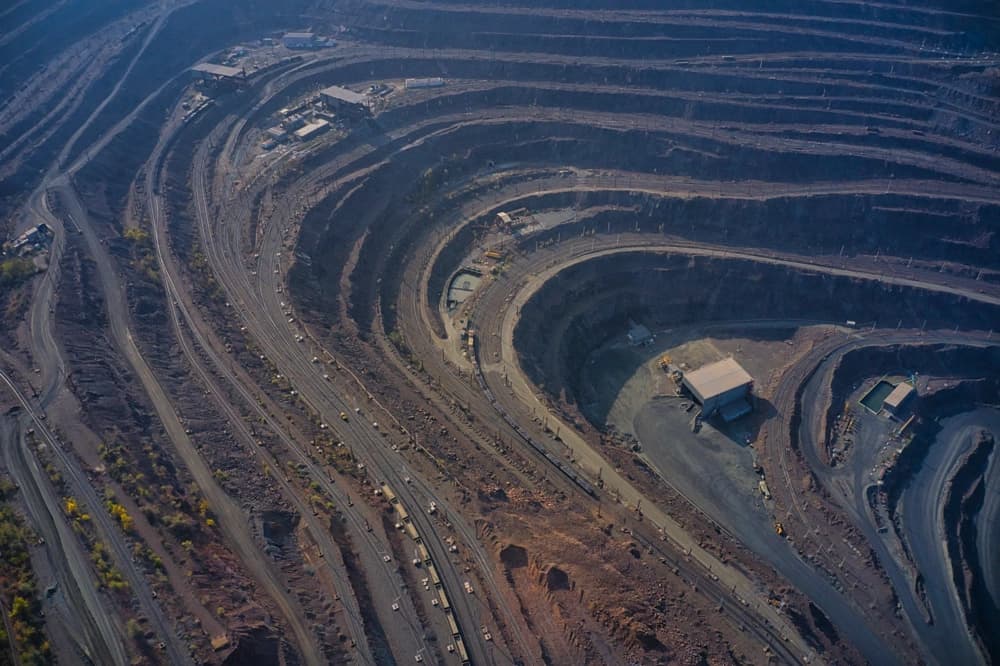
Volume calculation and differential analysis in mining sites from point clouds
Case 02 / Mining and civil works

Volume calculation and differential analysis in mining sites from point clouds

Our technology automatically separates natural terrain from machinery and infrastructure. By accurately identifying slopes and structural break points, we generate high-fidelity digital elevation models for the design of mining benches and safe ramp planning. We detect and quantify earth movement through differential analysis of clouds captured at different points in time. This makes it possible to calculate excavation and stockpile volumes with absolute precision, optimising transport logistics and acting as an early warning system for geotechnical risks on slopes.

See this case in the demo →
Anatomical segmentation in 3D clouds for clinical planning and medical analysis
Case 03 / Medicine and biomedicine

Anatomical segmentation in 3D clouds for clinical planning and medical analysis

3D anatomical segmentation of dental and vascular structures

From 3D scans of anatomical structures (obtained with photogrammetry, intraoral scanner or volumetric reconstructions), VL3D++ automatically classifies the different parts of the anatomy, turning geometric data into detailed segmented information.

See this case in the demo →
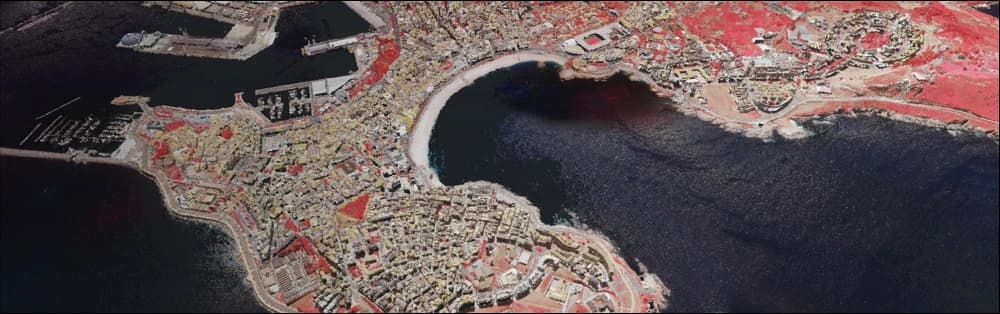
Large-scale territorial classification of Galicia with PNOA LiDAR data
Case 04 / Territory and GIS

Large-scale territorial classification of Galicia with PNOA LiDAR data

The largest territorial classification ever carried out with Deep Learning on a point cloud. We transform billions of points from the Spanish National Aerial Orthophotography Plan into a structured geographic database. Using artificial intelligence algorithms trained for the specific morphology of the northwestern peninsula, we accurately segment natural terrain from the various vegetation layers and artificial constructions. This automated categorisation makes it possible to filter noise to generate Digital Terrain Models (DTM) with a resolution unattainable by traditional methods, optimising territorial management, forestry planning and cadastral taxation.

See this case in the demo →
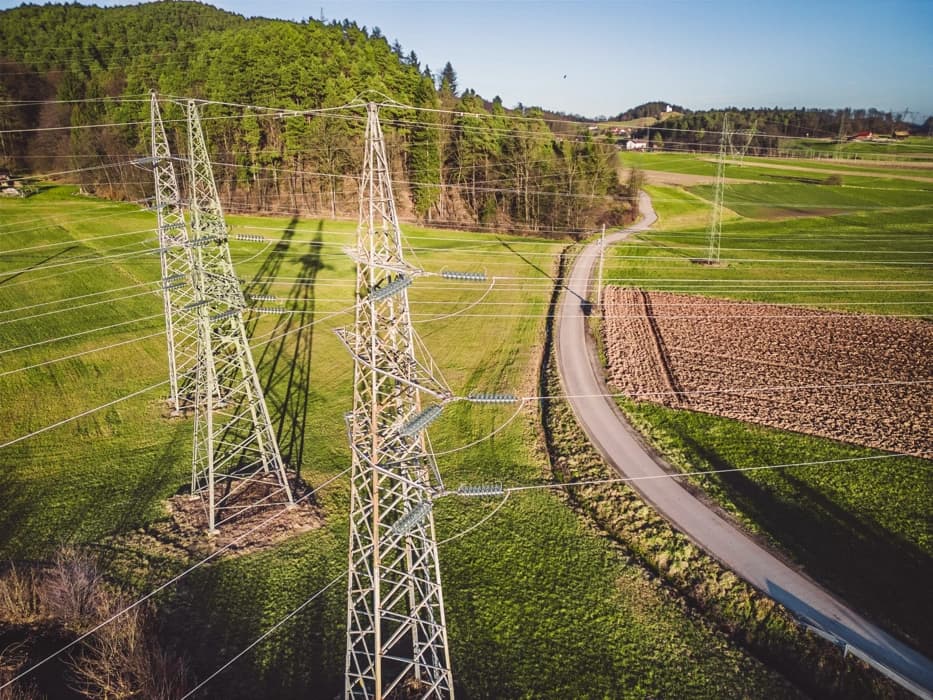
Automatic inspection of vegetation on power lines using point clouds
Case 05 / Infrastructure and energy

Automatic inspection of vegetation on power lines using point clouds

Corridor control and detection of safety-distance violations, at massive scale.

Spanish regulations on high-voltage power lines (RD 223/2008 and ITC-LAT) set minimum safety distances, easement zones and clear limitations on trees and vegetation around power lines.

In addition, in some autonomous communities, fire-prevention legislation requires the management of plant biomass in the so-called biomass management strips near infrastructure, including power networks.

See this case in the demo →
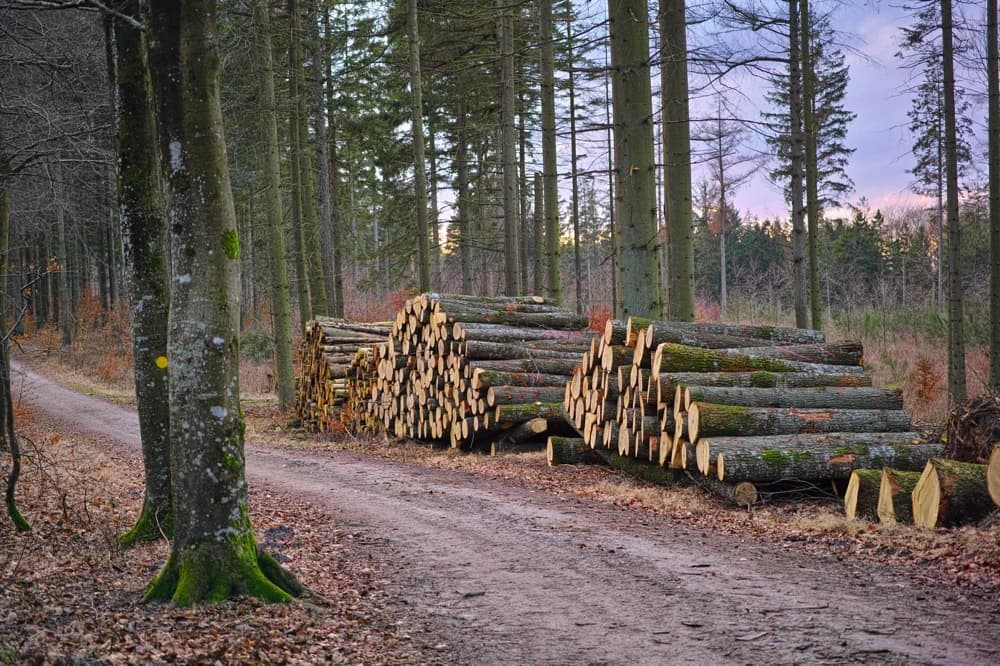
Automated forest inventory and timber-volume estimation using point clouds
Case 06 / Forestry and agriculture

Automated forest inventory and timber-volume estimation using point clouds

Forest inventories and yield estimation per tree and per plot.

From an aerial point cloud, VL3D++ automatically classifies vegetation and analyses its height, density and distribution over large areas.

Classification with VL3D++ enables individual tree counting, identifying the exact position, height and crown diameter of each specimen, turning the raw 3D point cloud into useful information for accurate estimates.

See this case in the demo →

Do you have a point cloud project?

Collaboration, research and technology transfer

We foster an ecosystem of open innovation and continuous collaboration between academia and industry. Our technical and research team can guide you to explore how to apply VL3D++ to your case, collaborate on research or study technology-transfer pathways. Anyone interested in professional point cloud classification, or who needs the development of a specific technical functionality for their workflows, can contact our development team directly. We are open to joint research projects, technology transfer and advanced support for the implementation of the framework in production environments.

Get in touch